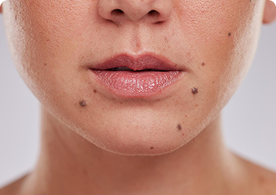
Skin Tags and Milia Removal in Singapore
Types, Causes, Treatments and When to See Doctors
Having small skin growths like milia and skin tags is generally harmless. However, for many individuals, they can be an aesthetic concern, as they don’t generally go away by scrubbing or improving with regular skincare.
Clinical skin assessment is the first step to understanding the causes of these harmless growths and suitable treatment options. At Mendis Aesthetics, Dr Rohan Mendis provides professional skin tag and milia removal in Singapore, focusing on safe and appropriate care.
Understanding Milia and Skin Tags
Milia and skin tags are benign skin growths, which means they’re harmless and non-cancerous. While they may similarly appear as small bumps on the skin, they remain different from one another.
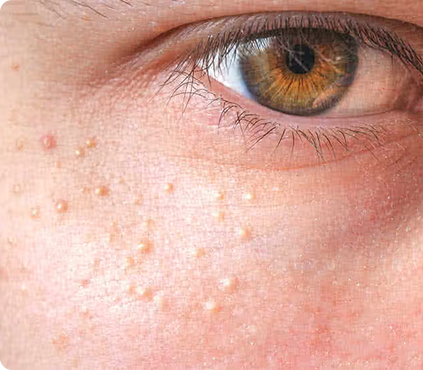
Milia are tiny, firm white cysts, often mistaken as whiteheads. They develop from trapped keratin beneath the skin surface, mostly accumulating around the eyes.
On the other hand, skin tags are soft, flesh-coloured growths that hang off the skin. They mostly appear in areas where skin rubs against skin or clothing, such as the neck, eyelids, underarms and under the breasts.
Types of Benign Growths We Assess
As milia and skin tags may be mistaken for one another, a professional assessment is needed to identify the growth accurately. Clinical evaluation also helps to see if it may be another type of benign growth on the skin.
At Mendis Aesthetics, we usually assess these skin growths to confirm their nature before proceeding with a suitable removal plan:

Milia Cysts
We check for milia cysts by assessing whether there are small, hard white bumps that appear in clusters. These skin bumps typically appear around the eyes, and unlike whiteheads, they can’t be “squeezed” out.
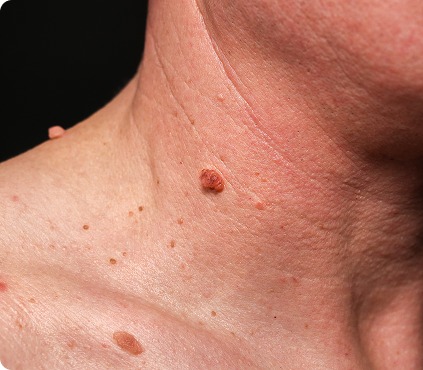
Skin Tags (Acrochordons)
Skin tags, medically known as acrochordons, are identifiable by their soft, flesh-coloured growths that commonly hang off around the neck, underarms, eyelids or under the breasts.
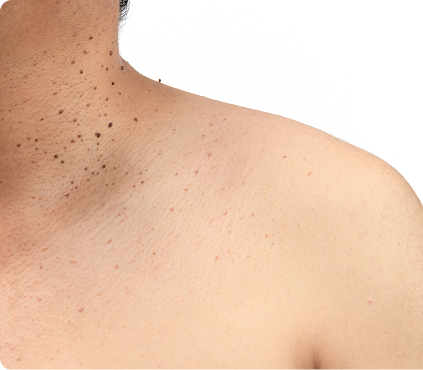
Other Benign Growths
Beside milia and skin tags, we also assess for the possibility of other benign skin growths. These can include oil gland overgrowths or harmless cysts that may mimic the appearance of milia or skin tags.
When to See a Doctor
Seeing a doctor helps if the skin growths start to change colour, bleed or cause physical discomfort. Even if they don’t cause symptoms, it can also be beneficial to seek professional milia removal for cosmetic reasons, avoiding the risk of scarring from “home remedies.”
Clinical consultation is the first step to take before any removal, which is professionally guided by our doctor.
The Consultation Process with Dr Rohan Mendis
Clinical History
our doctor reviews how long the growth has been present and if you’ve previously undergone removal treatments.
Visual assessment
our doctor examines the skin growth by looking at the colour and texture and to confirm the nature of the lesion and whether it’s benign or non-cancerous.
Removal planning
after understanding the type, size and location of the growth, our doctor develops a personalised removal planning.
Our Approach to Skin Growth Removal
Our clinical approach to skin growth removal focuses on precise and safe technique to minimise the risk of scarring or infection. Dr Rohan Mendis, with his years of medical experience, personally guides each treatment with careful attention to avoiding damage to the surrounding skin.
List of treatments
Skin Growth Removal
Skin growth removal involves several clinical techniques, such as laser, cauterisation, radiofrequency, and simple excision. The method used depends on the type of growth, its location and your skin’s needs.
The procedure is designed to target the lesion in a minimally invasive manner, aiming to remove it while preserving the surrounding skin and minimising the risk of scarring or downtime.
This treatment requires a clinical examination to understand the nature of the growth, set appropriate expectations and guide proper aftercare.
Related Skin Concerns

Moles
Moles are common skin growths that may appear flat or raised, and can vary in colour or size. They’re mostly harmless, though some may change in appearance over time.
Acne
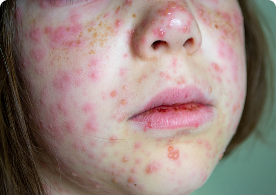
Acne is a common skin condition involving clogged pores, inflammation and breakouts. If left untreated, they often leave marks or uneven skin texture.

Open Pores
Open pores refer are the enlarged and visible pores, often more noticeable on the cheeks, nose or forehead. Excess oil production is often the cause of open pores.

Oily Skin
Oily skin occurs when the sebaceous glands produce excess sebum. This can make the skin look shiny and increase the likeliness for congestion or breakouts.
Frequently Asked Questions About Milia / Skin Tags
Are milia and skin tags the same thing?
No, they’re two different types of skin growths. Milia develop from trapped keratin underneath the skin, often accumulating around the eyes. While skin tags are soft, flesh-coloured growths that hang off areas like the neck, underarms, eyelids, or under the breasts.
Is removal painful?
Skin tags or milia removal may feel uncomfortable. At our clinic, we help manage the discomfort by adjusting the approach to unique patient’s tolerance.
Will milia or skin tags grow back after removal?
Removed milia or skin tags don’t typically grow back. However, new milia or skin tags may develop in the same area, triggered by persistent hormonal changes, friction or genetics.
Can I remove skin tags at home?
No, you can’t remove skin tags at home. Attempting to remove them by yourself can risk scarring and infection.
Do I need to prepare my skin before a removal procedure?
Yes. It’s best to cleanse your skin and stop skincare with active ingredients and makeup before your appointment. It helps to reduce irritation and allows the doctor to assess and treat the area more clearly.
Contact Us Today
Location
333A Orchard Road, Mandarin Gallery, #04-17, Singapore 238897
Telephone
+65 6235 1728
SMS / WhatsApp
+65 8858 0810
admin@drmendis.com
Discuss Your Acne Concerns with Mendis Aesthetics
Disclaimer
All treatments are subject to a formal clinical assessment by Dr Rohan Mendis to determine suitability. As skin health is highly individual, specific treatments may not be appropriate for every patient, and the selection of any procedure is based on a professional evaluation of your skin type, medical history and current condition.
The information provided on this platform is intended for educational purposes only. It is not a substitute for professional medical advice, diagnosis or treatment, and does not constitute a guarantee of specific outcomes. Individual results vary based on physiological factors and adherence to post-care protocols.