Pigmentation Treatment in Singapore
Types, Causes, Treatments and When to See Doctors
Skin pigmentation varies from one person to another, and dark complexion isn’t an issue at all. What becomes a problem is often an excess pigmentation that causes uneven skin tone.
Concerns can include dark spots, melasma, post-inflammatory pigmentation and many others. Undergoing a clinical assessment is the first step towards understanding your skin concern and determining the most suitable approach together with a trusted medical doctor.
What is Pigmentation?
Pigmentation is the natural colour of your skin, determined by melanin which is produced by cells called melanocytes. While melanin is essential for giving skin its colour, concerns can arise when its produced in excess, causing dark spots, patches or an uneven skin tone. Common triggers of excess pigmentation can include sun exposure, hormonal changes and inflammation. As different types of pigmentation can vary in depth and cause, it requires proper assessment before considering treatment.
Types of Pigmentation We Assess
A professional assessment helps identify whether your enlarged pores are caused by surface congestion, skin laxity, or a combination of both.

Melasma
Melasma appears as symmetrical brown or grey patches, commonly on the cheeks, forehead, nose or upper lip. Hormonal changes and sun exposure are two most common causes for it.

Post-Inflammatory Hyperpigmentation (PIH)
PIH refers to dark marks that develop after skin inflammation or injury, such as acne, eczema or irritation. These marks can gradually fade over time, but some cases may persist longer without treatment.

Age Spots
Age spots often appear as flat and dark patches caused by cumulative sun exposure over the years. They commonly develop on the face, hands, shoulders and other sun-exposed areas.

Freckles (Ephelides)
Freckles are small, scattered pigmented spots often associated with genetic tendency. They usually become more noticeable after sun exposure and may lighten when sun exposure is reduced.
When to See a Doctor
Seeking a professional assessment helps you better understand your pigmentation concerns. Early evaluation can help identify the cause and guide suitable management approaches. You may consider consultation if you have:
- Pigmentation that is worsening, spreading or resistant to topical products
- Symmetrical facial patches, which may suggest melasma
- PIH following acne or a skin procedure that is slow to resolve
Consulting our doctor allows him to assess your condition, discuss expectations and recommend an appropriate treatment plan.
The Consultation Process with Dr Rohan Mendis
Clinical History
Our doctor reviews your history of sun exposure, lifestyle habits and any previous topical treatments used or clinical procedures done.
Visual Assessment
Our doctor performs a clinical examination to assess the pigmentation pattern and determine whether the pigment appears more superficial (epidermal) or deeper (dermal).
Personalised Planning
Our doctor develops a management plan that balances effective pigment reduction with the health of your specific skin type.
Our Approach to Pigmentation Treatmentat Mendis Aesthetics
At Mendis Aesthetics, we use approaches that target excess melanin while helping to protect the surrounding skin. Your management plan may involve a single treatment or a combination of treatments, depending on your condition and clinical assessment. Here are some treatments available at our clinic:
Laser Skin Treatment
Laser skin treatment uses focused light energy to target excess melanin in the skin. The energy is delivered at controlled wavelengths that are absorbed by the pigment, helping to break it into smaller particles that the body can gradually clear over time.
Polynucleotide
Polynucleotide acts as a biostimulator that supports skin cell renewal. Its purified salmon or trout DNA fragments help promote skin repair and improve overall skin quality, which may be beneficial in cases where pigmentation is associated with skin inflammation or stress.
Laser Toning
Laser toning is a gentle laser treatment commonly used to improve skin tone and manage certain pigmentation concerns. It delivers low-energy pulses that target melanin in the deeper layers of the skin while minimising disruption to the skin surface.
Frequently Asked Questions
What is the difference between melasma and age spots?
Melasma often appears as larger, symmetrical patches on the face and is commonly linked to hormonal changes or sun exposure. Age spots are usually smaller, well-defined dark spots caused by cumulative UV exposure over time.
Can pigmentation come back after treatment?
Yes, some forms of pigmentation may return after treatment, especially when triggers such as sun exposure, hormones or inflammation continue. Ongoing maintenance and sun protection may help reduce recurrence.
Why is sun protection important before and after pigmentation treatment?
UV exposure can worsen existing pigmentation and trigger new darkening after treatment. Consistent sun protection helps support results and reduce the risk of recurrence.
Is laser safe for darker Asian skin tones?
Certain laser treatments may be suitable for darker Asian skin tones when properly selected and performed by an experienced doctor. A clinical assessment is important to reduce the risk of irritation or rebound pigmentation.
How many sessions might be required?
The number of sessions depends on the type, depth and severity of pigmentation. Consulting our doctor can help to better understand the number of sessions you need.
Related Skin Concerns

Age Spots
Age spots are the flat and darkened spots that develop gradually due to long-term sun exposure. They’re commonly seen on the face, hands and other sun-exposed areas.
Acne Scars
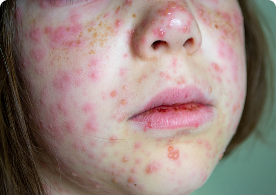
Acne scars are marks or textural changes that develop after acne breakouts. In some cases, they may also appear discoloured, known as post-inflammatory hyperpigmentation (PIH) or post-inflammatory erythema (PIE).

Uneven Skin Tone
Uneven skin tone refers to skin that appears patchy, dull or darker in certain areas. It may be caused by pigmentation, inflammation, sun damage or post-acne changes.

Open Pores
Open pores refer to visible enlarged pores that can affect the smoothness and texture of the skin. They’re commonly associated with excess oil production, ageing or reduced skin elasticity.
Contact Us Today
Location
333A Orchard Road, Mandarin Gallery, #04-17, Singapore 238897
Telephone
+65 6235 1728
SMS / WhatsApp
+65 8858 0810
admin@drmendis.com
Discuss Your Acne Concerns with Mendis Aesthetics
Disclaimer
All treatments are provided only after a clinical assessment by Dr Mendis. Suitability depends on individual skin condition and medical evaluation. The information on this page is for general educational purposes only and should not be taken as medical advice or a guarantee of results.